A Living Fence
Hedges have defined the edges of gardens, farms, and estates for centuries. Long before timber fencing or metal railings became commonplace, rows of carefully tended shrubs marked boundaries across the British countryside. That tradition hasn't faded — if anything, hedges are enjoying a quiet revival as more homeowners rediscover what makes them such a practical and attractive choice.
A living boundary that works harder over time
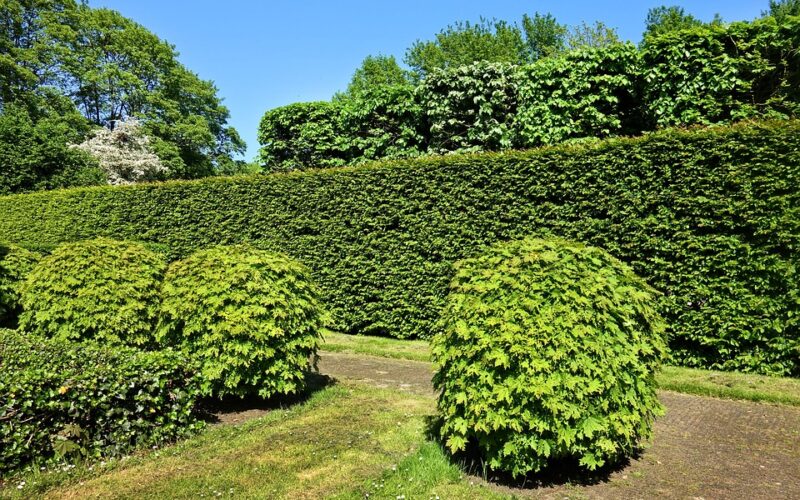
Unlike a fence that weathers and weakens, a well-established hedge grows stronger with age. Species such as hornbeam, beech, and yew develop dense, woody structures that are remarkably difficult to breach. This makes them an effective deterrent against intruders — far more so than many manufactured alternatives. At the same time, a mature hedge can significantly reduce road noise and act as a windbreak, creating a noticeably calmer environment within the garden.
The environmental case for choosing hedges
Few boundary options offer the ecological value of a hedge. A single stretch of mixed native planting can support dozens of bird species, provide habitat for hedgehogs and insects, and act as a vital green corridor in urban areas. Unlike fences or walls, hedges actively improve air quality by trapping dust and absorbing carbon. For homeowners who want their garden to contribute something beyond aesthetics, a hedge is a straightforward and rewarding choice.
Choosing the right species for your boundary
The best hedge for a property border depends largely on the level of privacy required, the desired maintenance commitment, and the local growing conditions. Privet and laurel grow quickly and provide year-round screening, making them popular choices for urban gardens. For a more traditional look, hawthorn and blackthorn offer dense, wildlife-friendly coverage with the added benefit of seasonal flowers and berries. Slower-growing options like yew and box reward patience with an exceptionally neat, formal appearance that holds its shape well between trims.
Maintenance: more manageable than you might think
A common concern about hedges is the upkeep they require, but the reality is often less demanding than expected. Most established hedges need trimming once or twice a year, typically in late summer after nesting season has ended. The right tools — a sharp pair of shears or a powered hedge trimmer — make the job considerably easier. Young hedges do require more attention in their early years to encourage bushy, even growth, but once established, they become largely self-sufficient.
How hedges affect kerb appeal and property value
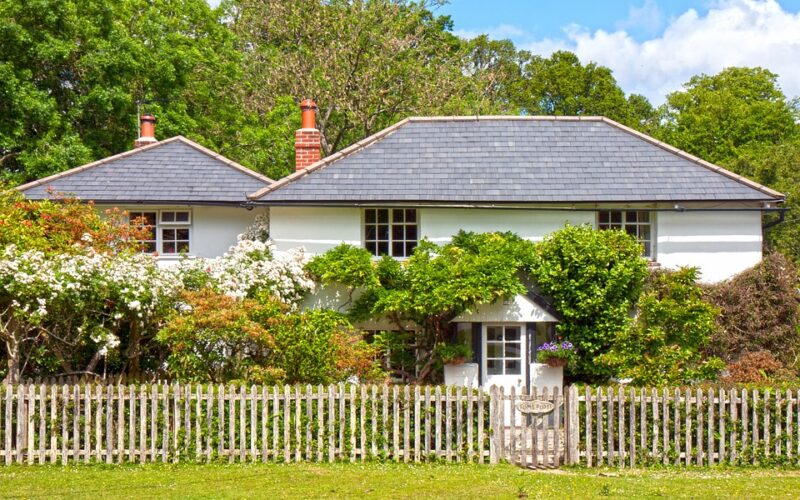
A well-maintained hedge creates a strong first impression. It frames the property, softens hard architectural lines, and signals that the garden is cared for — all things that resonate with prospective buyers. Estate agents frequently note that mature planting, including established hedges, can add tangible value to a home. Compared to the cost of installing and maintaining fencing over the same period, a hedge often proves to be the more economical long-term investment.
A boundary worth planting
The enduring appeal of hedges comes down to something simple: they do more than just mark a line. They provide privacy, support wildlife, reduce noise, and improve the look of a property — all while becoming more valuable as the years pass. For anyone considering their options for a property border, a hedge is rarely the wrong choice. Plant the right species in the right spot, give it time to establish, and it will reward you for decades to come.