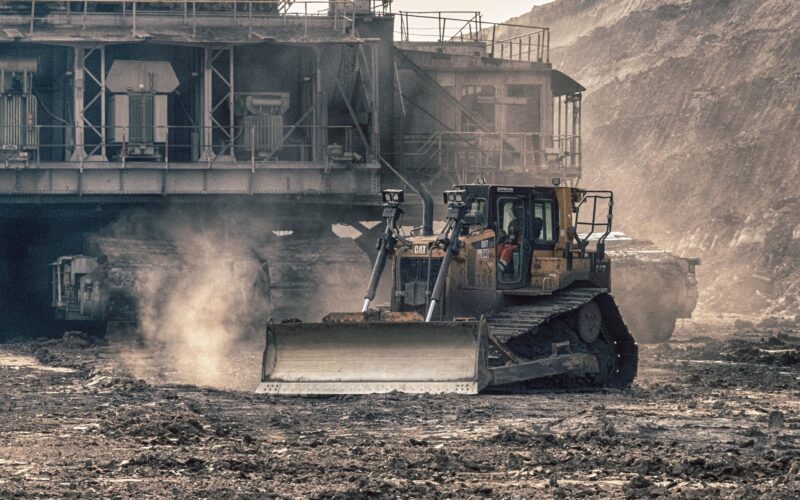
Environmental Impact of Silica Sand Mining
Silica sand is one of the most mined commodities in the world, essential for everything from glass manufacturing to fracking and construction. Its unique properties, particularly its hardness and chemical inertness, make it invaluable for modern industry. However, the extraction of this resource is not without significant environmental consequences. As demand grows for specific varieties like fine silica sand, understanding the ecological footprint of these mining operations becomes crucial for balancing industrial needs with environmental preservation.
Disruption of local ecosystems and biodiversity
The most immediate impact of silica sand mining is the physical alteration of the landscape. Mining operations often require the clearing of vegetation and topsoil to access the sand deposits beneath. This process removes the habitat for local wildlife and disrupts the delicate balance of the ecosystem. In areas where unique dune systems or ancient seabeds are targeted for their high-purity deposits, the loss can be irreversible. The removal of vegetation also destabilises the soil, leading to erosion that can spread far beyond the boundaries of the mine itself, affecting neighbouring agricultural lands and forests.
Strain on water resources and quality
Water plays a massive role in the processing of silica sand. The washing and sorting processes required to produce high-quality silica sand bulk bags for commercial use consume vast quantities of water. This high demand can strain local aquifers, potentially lowering the water table and affecting the availability of water for local communities and agriculture. Furthermore, the runoff from mining sites can carry sediments and chemical residues into nearby streams and rivers. This sedimentation increases turbidity, which blocks sunlight and reduces oxygen levels in the water, devastating aquatic life and disrupting the food chain.
Air quality concerns and health implications
Mining activities are inherently dusty, and silica sand mining is no exception. The extraction, crushing, and transport of sand generate significant amounts of airborne particulate matter. Of particular concern is crystalline silica dust, which poses serious health risks to workers and nearby residents if inhaled over long periods. While strict regulations usually govern dust control in the production of specialised products like equestrian silica sand, which must be dust-free to protect horses' lungs—the initial extraction phases can still release fugitive dust into the atmosphere if not properly managed, contributing to local air pollution.
Rehabilitation and mitigation strategies
Despite these challenges, the industry is increasingly adopting methods to mitigate environmental harm. Progressive rehabilitation is now a standard requirement in many jurisdictions, where mining companies must restore the land as they move through different sections of a deposit. This might involve replanting native vegetation, recreating wetlands, or reshaping the land to support new uses. Additionally, advancements in water recycling technologies allow mines to reuse a significant portion of their process water, reducing the draw on local freshwater sources.
Finding a sustainable balance
The environmental impact of silica sand mining is complex, involving trade-offs between essential industrial supply and ecological protection. As consumers and industries become more environmentally conscious, the pressure is on mining companies to operate more sustainably. Whether sourcing fine silica sand for high-tech applications or sand for construction, responsible sourcing and rigorous environmental management plans are essential. By prioritising rehabilitation and efficient resource use, it is possible to mitigate the most severe impacts and ensure that this vital resource is extracted with respect for the natural world.